When given the chance to give in to hatred, to the dark side, Luke gives up his weapon and defies the emperor. Sure, it’s simplistic, it’s the classical (and problematic) hero’s journey, it’s the self-actualisation of another white man through his mastery of the outer and inner world–but, putting aside cynicism for a moment, it’s admirable.
It shows his refusal to use the methods of his enemies, and his enduring empathy and recognition of the humanity in his father, a monster. When given the chance, Vader rises to the occasion, too, and the galaxy would not have been saved without him.

This is one of the darkest moments in the story of Invincible. Mark Grayson beats the villain Angstrom Levy to the point that he is a puddle of gore. When he is done, he pulls himself away from the wreckage as a broken man: convinced that he has stooped to the level of his father, a murderer, and crossed a line that one cannot return from.
As an audience, we are shocked, we are worried for Mark, we understand that this was a mistake, and one that changes the nature of Invincible as a hero.

So, when your adventuring party cuts a swathe of death across the countryside in the name of protecting the land or seeking glory, what does that make them?
Do they stop, and stare in awe when they have managed to slay a grand villain, or gasp and cry when a party member dies, but the passing of a common bandit is monotony? What does that say about their views of the world? Does might make right?

When I came across this section of the Daggerheart Core Rules, a narrative-focused TTRPG by Darrington Press (the publishing arm of Critical Role), it gave me pause. Daggerheart’s writers and designers have done well to incorporate diversity carefully in their games, providing advice on playing disabled characters; they avoid problematic legacy features common in other RPGs, such as racial stats or penalties, and universal alignment (and alignment as a whole). But this is how it treats the deaths of non-player characters?
![Daggerheart briefly describes what 'defeat' could mean for an adversary, including that it may involve 'knocking the[m] ... unconscious, t[ying] them up, or kill[ing] them.'](https://harleydark.com.au/wp-content/uploads/2025/10/Screenshot_20251013_105654.png)
Here, we find cognitive dissonance.
The book provides a whole system for Scars, Death Moves, Death, and Resurrection for player characters, which is fascinating, high-stakes, devastating, and fulfilling. There are huge consequences mechanically, and in the narrative.
But the deaths of others? Simply a neutral, at-a-whim choice for players to make. No remark on morality and ethics, choice and consequence, is given here.

The minions in this example of play that Daggerheart provides are skeletons, but the question is silently posed: would they act the same way if these minions were living (and not mindless undead) beings?
Where does the anticipation of killing come from, in TTRPGs?

The answer is real-world violence.
Have you ever heard, or used the term ‘campaign’ to refer to a series of TTRPG adventures? That comes from war games, games designed by militaries to train strategy, and played by groups of war history enthusiasts to recreate and re-imagine historical battles and campaigns through mechanical means.
And from war games and their players, grew fantasy adventure games, firstly Dungeons and Dragons, which carried the cultural legacy of war, its amorality, and embrace of deadly conflict. Players of early (also referred to as OSR, or old-school rules) TTRPGs treated their characters as expendable and mortal as the many soldiers they once simultaneously commanded in war games. That’s where the 10-foot-pole trap-poking comes from, and the hirelings, and the brutal rules that killed characters with little mercy.
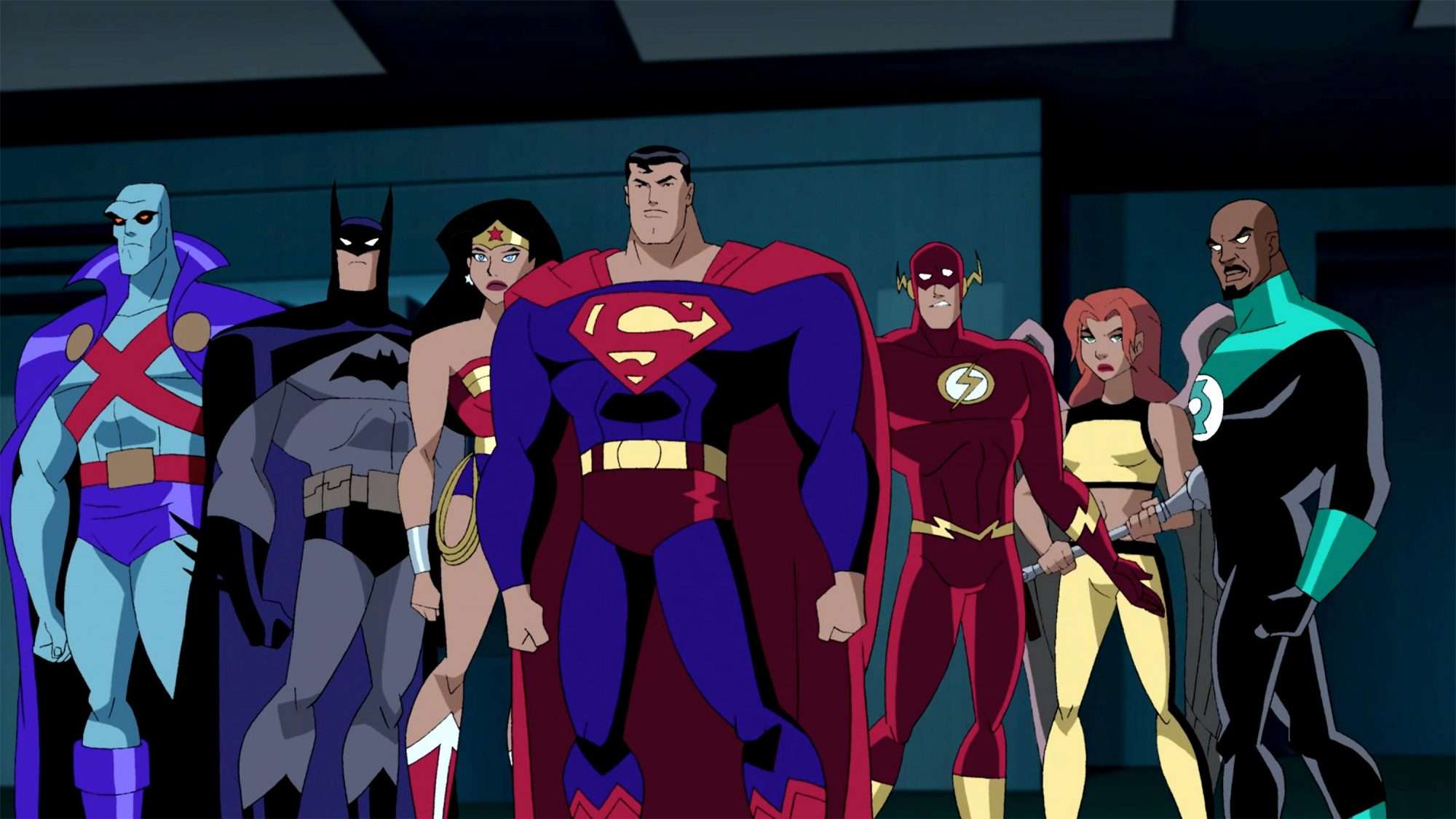
As TTRPGs have evolved, leaving behind many of the trappings of earlier, problematic fantasy and games, we have held on to the military conquest. As characters have become deep, and roleplaying foregrounded, we have held onto the expendable grunt, the meaningless thief, and the evil soldier. Despite being surrounded by media that delves into the morality of killing, the death penalty, and empathy towards your enemies–superhero media premiere among them, with the prominence of the no-kill rule–TTRPGs have remained in the past.
So, it’s my contention that we should make the unspoken spoken, and put the question in-front of players and game masters alike:
Why is killing the default?
And I invite you to ask yourselves the same thing. Are the heroes you look up to, or create and play yourself, people who embrace punitive, deadly ‘justice’? Do they take the lives of others into their own hands, declaring with their actions that they have the right to decide who lives and who dies? Do they believe in the unchanging morality of individuals, that someone can be so inherently evil and dangerous that they need to die?
There isn’t a right answer in fiction, because these are stories, not fables to teach us morality. But whatever your approach, it should reflect your values in the way that you depict it. If your characters kill, explore its impact on their psyche, or the way people see them, or why they can or can’t justify it to themselves. If your characters don’t kill, explore their struggle to translate their potential anger and vengeance into measured actions, what happens when somebody they let live goes on to hurt more people, and the alternatives to the death penalty that they seek for dangerous individuals or groups.
It’s my contention that, unless you’re telling a story about morally dubious or outright corrupt protagonists, your party shouldn’t kill.